
How to Design a Functional Cafe Layout With Commercial Furniture
Designing a successful cafe requires more than choosing attractive tables and chairs. The right commercial cafe furniture los angeles businesses use can help create a comfortable environment while supporting efficient movement, seating capacity, and daily operations. A well-planned layout allows customers and employees to move easily through the space while creating an inviting atmosphere that encourages guests to stay and return.
Start With the Available Space
Before purchasing furniture, measure the entire cafe carefully. Consider the location of entrances, exits, windows, counters, restrooms, kitchen areas, and service stations. These fixed elements will influence where tables, chairs, booths, and other furniture can be positioned.
Create a simple floor plan and identify areas for customer seating, ordering, food pickup, and employee movement. This approach can prevent overcrowding and make it easier to determine how much furniture the space can comfortably accommodate.
Choose Furniture Based on Your Cafe Concept
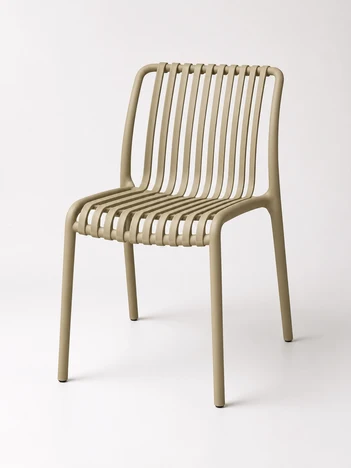
Your furniture should complement the overall style and identity of your cafe. A modern coffee shop may benefit from clean-lined tables and contemporary chairs, while a traditional cafe might work better with warm wood finishes and classic seating.
AMKO Restaurant Furniture offers furniture solutions that can help businesses create cohesive dining environments. When selecting products, consider not only appearance but also durability, comfort, maintenance requirements, and how well each piece fits your concept.
Create Comfortable Seating Zones
A functional cafe layout can include different seating options to accommodate different customers. Two-person tables are useful for individuals and couples, while larger tables can serve groups. Booths can provide a more private dining experience and may help maximize seating along walls.
You can also consider counter seating for customers who want to work, have a quick coffee, or dine alone. Mixing seating styles can make the cafe more versatile without making the space feel repetitive.
Prioritize Customer and Staff Movement
Traffic flow is one of the most important elements of cafe design. Customers should be able to enter, place orders, collect food or drinks, find a table, and leave without navigating through congested areas.
Employees also need clear pathways between the dining room, service counter, kitchen, and storage areas. Avoid placing tables where they block entrances or create narrow passages. Leaving adequate circulation space can improve the overall experience for both customers and staff.
Consider Table Size and Flexibility
Tables should be selected according to the type of service and customer groups you expect. Smaller tables can work well in compact areas, while larger tables can accommodate families and groups.
Flexible furniture can be particularly useful for cafes that host different types of customers throughout the day. Tables that can be rearranged allow staff to adapt the dining area for larger groups, special events, or quieter periods.
Think About Durability
Cafe furniture experiences frequent daily use, so durability should be an important purchasing consideration. Tables and chairs need to withstand regular customer traffic, cleaning, movement, and spills.
When comparing commercial furniture options, look at construction materials, finishes, joints, frames, and overall build quality. Choosing durable pieces can help reduce the need for frequent replacements and support a more consistent appearance over time.
Balance Style With Practicality
An attractive cafe should also be easy to maintain. Light-colored or delicate materials may create a particular visual effect but could require additional maintenance in a busy environment. Select finishes that complement your design while being practical for everyday cleaning.
Furniture should also provide adequate comfort. Customers who feel comfortable are more likely to enjoy their visit and spend additional time in the cafe. Seat height, back support, table height, and spacing should all be considered when creating the layout.
Make the Most of Outdoor Areas
If your cafe has a patio, sidewalk seating area, or other outdoor space, consider extending the interior design concept outside. Weather-resistant tables and chairs can create additional seating without compromising the cafe's visual identity.
Outdoor furniture should be selected according to local weather conditions and maintenance requirements. Proper placement can also help create a comfortable environment while maintaining clear pathways for customers and staff.
Plan for Future Changes
Cafe businesses can change over time, so avoid creating a layout that is difficult to modify. Modular or movable furniture can make it easier to respond to changing customer needs.
Review the layout after opening and observe where customers naturally move, which seats are most popular, and where congestion occurs. Small adjustments to furniture placement can sometimes make a significant difference to functionality.
Create a Cafe That Works for Everyone
A successful cafe layout combines visual appeal, comfort, efficiency, and practicality. By measuring the space carefully, selecting appropriate furniture, creating clear pathways, and considering different customer needs, cafe owners can build an environment that supports both business operations and customer satisfaction.
With thoughtfully selected commercial furniture from AMKO Restaurant Furniture, businesses can develop a dining space that reflects their brand while meeting the practical demands of everyday cafe operations. The goal is not simply to fill a room with tables and chairs, but to create a functional environment where customers feel comfortable and staff can work efficiently.


Comments